Author: Scott Jackson

  • 10 Proven Tips to Choose a Maui Wedding Photographer

    10 Proven Tips to Choose a Maui Wedding Photographer

    10 Proven Tips to Choose a Maui Wedding Photographer

    Your wedding day is filled with moments you will want to remember for years—the excitement before the ceremony, the first look, the vows, the laughter with family, and the quiet moments you share with your partner.

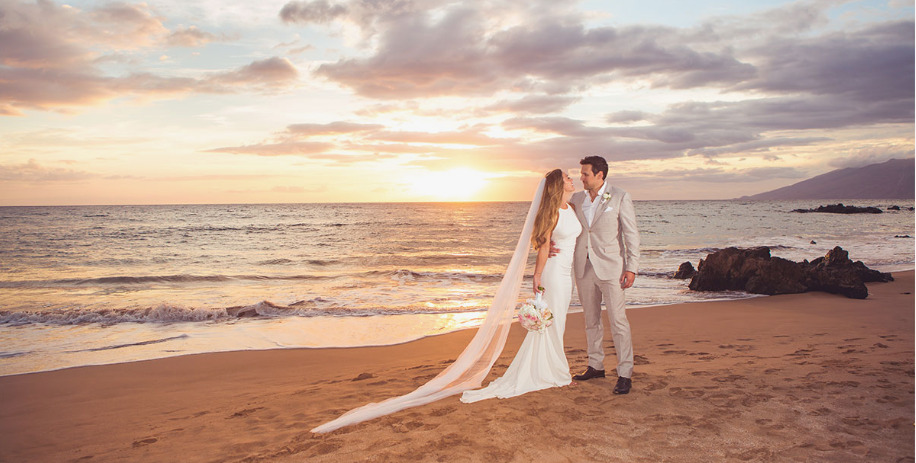
    Choosing the right Maui wedding photographer can make a meaningful difference in how those memories are preserved. From beautiful beaches and tropical landscapes to intimate ceremonies and elegant receptions, Maui offers an incredible setting for wedding photography.

    But finding a photographer who understands your vision takes more than simply looking at a portfolio. Here are 10 proven tips to help you choose a photographer who can capture your wedding naturally, beautifully, and authentically.

    1. Review the Photographer’s Full Wedding Galleries

    A few impressive photographs on a website can look great, but a complete wedding gallery tells you much more.

    Look for consistency throughout an entire event. Pay attention to:

    • Getting-ready photographs
    • First looks
    • Wedding ceremonies
    • Couple portraits
    • Family photographs
    • Candid moments
    • Reception celebrations
    • Details and decorations

    A professional Maui wedding photographer should be able to tell the complete story of a wedding rather than simply capture a handful of standout images.

    2. Look for a Style That Matches Your Personality

    Every photographer approaches weddings differently.

    Some prefer dramatic compositions and vibrant colors, while others focus on natural light, candid emotions, and documentary-style storytelling.

    Before booking, consider what you want your wedding photographs to feel like.

    Do you prefer:

    • Natural and candid photographs?
    • Romantic portraits?
    • Editorial-style wedding images?
    • Classic family photographs?
    • A combination of posed and spontaneous moments?

    The right photography style should feel comfortable and authentic to you.

    3. Consider the Maui Setting

    Maui weddings can take place in a variety of beautiful environments. Beaches, gardens, resorts, cliffs, and private venues can all create different photographic opportunities.

    A photographer should understand how to work with changing sunlight, ocean views, weather conditions, and different locations.

    For example, golden-hour portraits can create a warm, romantic atmosphere, while an experienced photographer can also make the most of overcast skies or changing conditions.

    4. Ask About Experience With Destination Weddings

    If you’re traveling to Maui for your wedding, destination-wedding experience can be particularly valuable.

    Destination celebrations may involve travel schedules, unfamiliar venues, outdoor conditions, and guests arriving from different locations.

    Ask potential photographers about their experience photographing weddings away from their home market.

    A photographer who is comfortable adapting to different environments can help keep the photography experience relaxed.

    5. Make Sure Candid Moments Are Part of the Approach

    Not every important wedding photograph happens during a planned portrait session.

    Some of the most meaningful images can happen unexpectedly—a parent seeing the bride for the first time, friends laughing during the reception, or a couple sharing a quiet moment after the ceremony.

    A strong wedding photography approach combines planned portraits with authentic moments.

    These photographs can help tell the emotional story of your wedding day.

    6. Ask About Family and Group Photography

    Couple portraits are important, but family photographs often become some of the most treasured images after the wedding.

    Before the wedding, create a practical list of important family combinations.

    For example:

    • Couple with parents
    • Couple with grandparents
    • Couple with siblings
    • Couple with immediate family
    • Full wedding party
    • Close friends

    Having a plan can make group photographs faster and allow everyone to return to the celebration.

    7. Think Beyond Maui

    Your wedding photography needs may extend beyond one destination.

    For couples who live in California or travel frequently, it can be helpful to work with a photographer who offers multiple types of photography services.

    For example, Scott Jackson Photography works with clients from its Burlingame location and offers photography for weddings, events, portraits, and other occasions.

    Couples searching for a San Francisco wedding photographer may also want a photographer who can maintain a consistent visual approach across different locations.

    8. Consider Event Photography Experience

    Wedding photographers often need to capture much more than the ceremony and couple portraits.

    Receptions, engagement celebrations, rehearsal dinners, and other wedding-related events can create additional opportunities for storytelling.

    An experienced Event Photographer San Francisco can understand how to photograph fast-moving celebrations, important details, groups of guests, and spontaneous interactions.

    This experience can be particularly useful when your wedding schedule includes multiple events.

    9. Talk About Your Wedding-Day Expectations

    Before making a decision, have a conversation with the photographer.

    Discuss:

    • Wedding date and location
    • Ceremony and reception schedule
    • Number of guests
    • Photography coverage
    • Preferred photography style
    • Family portraits
    • Couple portraits
    • Important traditions
    • Special moments you want documented

    Clear communication helps both you and your photographer understand what matters most.

    It also gives you an opportunity to see whether their communication style feels comfortable and professional.

    10. Choose Someone Who Helps You Feel Comfortable

    Photography involves being in front of a camera, sometimes during emotional and unfamiliar moments.

    You don’t need to be a professional model to have beautiful wedding portraits.

    A good photographer can provide simple direction while allowing genuine expressions and interactions to happen naturally.

    The goal isn’t to make every photograph look overly posed. It’s to create images that feel like you.

    Creating a Complete Wedding Story

    A wedding gallery should contain more than beautiful portraits.

    Think about the story you want to remember years from now.

    You may want photographs of:

    The details: rings, flowers, invitations, attire, and venue.

    The anticipation: getting ready, final touches, and nervous excitement.

    The ceremony: vows, expressions, family reactions, and meaningful traditions.

    The celebration: dinner, speeches, dancing, laughter, and guests enjoying themselves.

    The couple: portraits that show your relationship and the atmosphere of the location.

    When these elements are combined, your photographs become a visual record of the entire experience.

    Working With a Photographer From California

    For couples searching for a Wedding Photographer San Francisco, working with a photography business that also serves destination clients can provide flexibility.

    Scott Jackson Photography is based at 390 Lang Rd Suite B, Burlingame, CA 94010, and serves clients looking for wedding and event photography.

    Whether you’re planning a Maui celebration or a wedding closer to the Bay Area, discussing your plans early can help establish a photography timeline that works with your venue and schedule.

    Final Thoughts

    Choosing a Maui wedding photographer is ultimately about finding someone whose photography style, experience, communication, and approach fit your wedding.

    Start by reviewing complete galleries, identify the photography style you love, discuss your expectations, and make sure the photographer understands the moments that matter most to you.

    Your wedding day will move quickly. Thoughtful photography can preserve the people, emotions, details, and memories that make the celebration uniquely yours.

    If you’re planning a Maui wedding or looking for a San Francisco wedding photographer, Scott Jackson Photography can help you plan photography that reflects your story and your day.

    Visit Scott Jackson Photography at scottjacksonphotos.com to explore photography services and get started.

  • Whales: Giants of the Ocean

    Whales: Giants of the Ocean

    Whales are among the largest and most remarkable animals on Earth. These marine mammals live in oceans around the world, from warm tropical waters to the cold seas surrounding the poles.

    Life Beneath the Surface

    Although whales spend their lives in water, they breathe air through blowholes located on top of their heads. They must regularly return to the surface to breathe before diving again in search of food or traveling through the ocean.

    Whales are warm-blooded, give birth to live young, and nurse their calves with milk. A thick layer of fat called blubber helps protect them from cold water and stores energy during long migrations.

    Two Main Groups

    Whales are generally divided into baleen whales and toothed whales. Baleen whales filter small animals from the water using flexible plates inside their mouths. This group includes blue whales, humpback whales, and gray whales.

    Toothed whales use teeth to catch fish, squid, and other prey. Many of them also use echolocation, producing sounds and listening for returning echoes to understand their surroundings. Sperm whales, belugas, and orcas belong to this group.

    The Blue Whale

    The blue whale is the largest known animal to have ever lived. An adult can grow longer than a city bus and weigh well over one hundred tonnes. Despite its enormous size, it feeds mainly on tiny crustaceans called krill.

    Communication and Migration

    Whales communicate using clicks, whistles, pulses, and complex songs. Some sounds can travel across great distances underwater. Humpback whales are especially famous for their long, patterned songs.

    Many species migrate thousands of kilometres each year. They often feed in cold, nutrient-rich waters before traveling to warmer regions where they mate and give birth.

    Protecting Whales

    Commercial hunting once caused severe declines in many whale populations. Today, whales also face threats from fishing gear, ship collisions, underwater noise, pollution, and changes to ocean ecosystems.

    Conservation programs, safer fishing practices, protected habitats, and international cooperation can help whale populations recover. Protecting whales also supports healthier oceans because these animals play an important role in marine food webs and nutrient cycles.

Booking Form